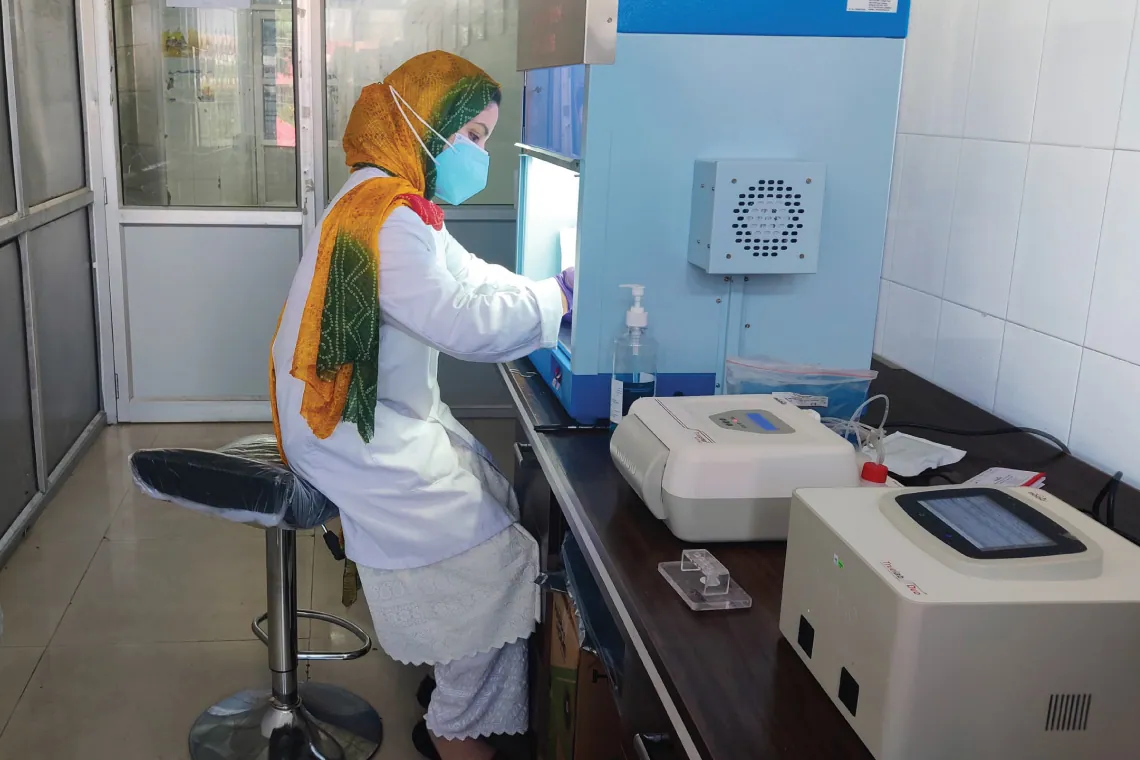
India Health Fund is at the forefront in the fight against antimicrobial resistance, a phenomenon at fever pitch in the country and around the world
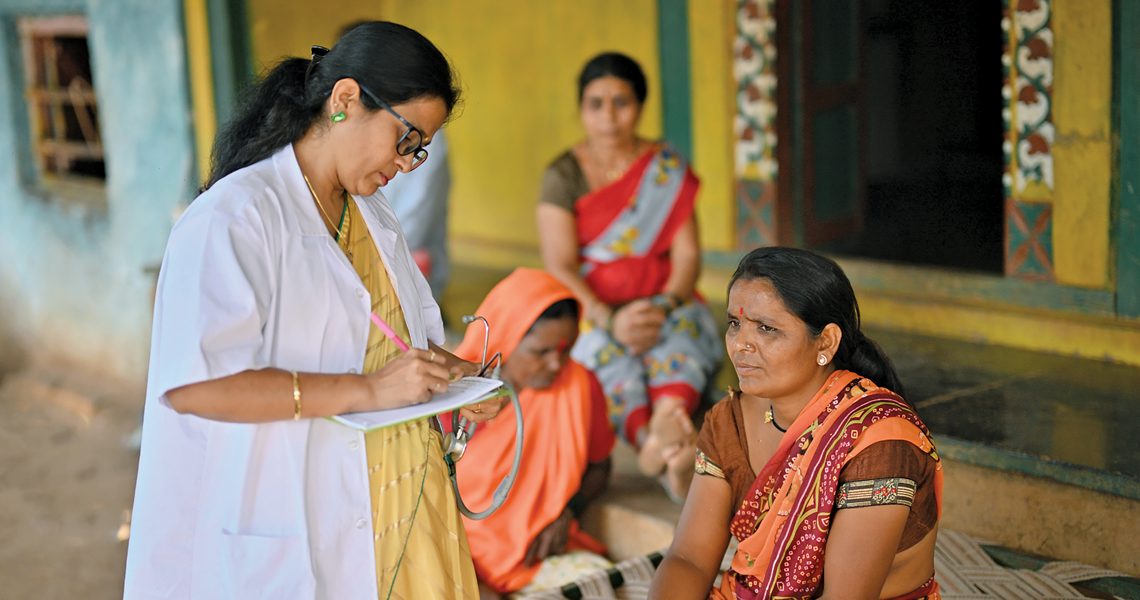

PERSPECTIVE
Testing it right
A breakthrough detection tool promises plenty in rethinking vector-borne disease diagnosis, particularly for the marginalised
Vector-borne diseases (VBDs) represent a significant global health challenge, accounting for about 17% of all infectious diseases and resulting in more than 700,000 deaths annually1. In India, dengue, malaria, and chikungunya continue to pose major public health challenges due to the widespread presence of mosquito vectors in both urban and rural settings.
In 2024, India reported 233,519 dengue cases2 and 240,180 suspected chikungunya cases (17,930 confirmed),3 while malaria remained a substantial burden with an estimated 2 million cases and several thousand deaths4, making the country the dominant contributor to the malaria burden in Southeast Asia.
This challenge is no longer limited to tropical or lower-income countries. Shifting temperature, rainfall and humidity patterns are changing the distribution and seasonality of vector-borne diseases and enabling their spread into new geographies. As dengue, malaria and chikungunya increasingly co-circulate, overlapping symptoms and possible co-infections make clinical differentiation difficult.
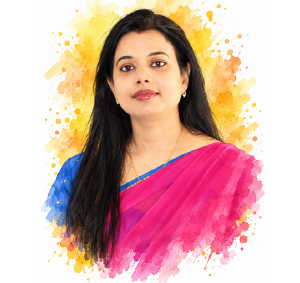
Binita Tunga is the co-founder and chief technology officer of Ameliorate Biotech
Although the diagnosis of individual infections has improved, identifying the cause of acute febrile illness often requires multiple laboratory tests, which can be time-consuming and costly and may delay appropriate care, particularly in settings with limited access to diagnostic testing. This highlights the need for rapid, affordable, point-of-care tools that can detect multiple infections from a single sample, especially in primary care and during surges or outbreaks, when timely information is essential for a prompt clinical and public health response.
ASSURED, developed by Ameliorate Biotech, was designed around this need. It is a rapid, antigen-based, vertical-flow multiplex diagnostic tool that detects dengue, chikungunya and malaria (with species differentiation) from a single whole-blood sample, with results produced in less than 15 minutes.
By enabling multiple infections to be detected from a single sample — without specialised equipment — ASSURED holds the potential to bring timely diagnosis closer to patients, simplify the diagnostic process and strengthen the ability of health systems to respond quickly to changing disease patterns.
The journey of ASSURED began with a deeply personal experience. The tragic death of a family member due to a missed co-infection led us to ask whether there could be a simpler way to identify multiple vector-borne infections at the same time. Turning that question into a viable diagnostic, however, took years of experimentation and validation.
As scientists transitioning into entrepreneurship, we had to build capabilities beyond our technical expertise while continuing to develop the technology. An early breakthrough came when we won the ELEVATE 100 challenge (instituted by the Karnataka government) in 2018. This provided us with grant support to advance the development of ASSURED.
Our initial laboratory work was carried out in our small laboratory, where prototypes were tested with recombinant antigens. These experiments showed promising sensitivities with no cross-reactivity. We then moved to patient samples collected through different laboratories in Bengaluru, comparing our results with reported diagnoses to establish initial proof of concept.
This was followed by a small-scale validation study at a private hospital in Bengaluru — done in 2020-21 and involving 100 samples — which reported 100% sensitivity and 95% specificity.

Aishwarya Aiyar is a senior associate with the Tata Trusts-supported India Health Fund
Subsequently, we focused on generating the clinical evidence required to take ASSURED towards regulatory readiness. Getting a Central Drugs Standard Control Organisation (CDSCO) manufacturing and marketing licence involved several key stages, and generating robust clinical evidence was one of the most critical of these.
With catalytic funding support from the India Health Fund (IHF) and technical mentorship, the clinical performance evaluation was undertaken in 2024-25 at three CDSCO-approved centres. The evaluation was designed to assess the performance of ASSURED across different geographies, populations, disease prevalence and disease severity, generating the evidence needed to support the regulatory review.
ASSURED progressed from an early-stage TRL (technology readiness level) 4/5 towards TRL 7/8, alongside the evidence generation and validation required to move towards regulatory confirmation. IHF also extended support for the additional testing required for chikungunya.
After nearly eight years of development, we received the CDSCO manufacturing and marketing licence in May 2026, marking an important transition from development and validation towards market introduction. We are now concentrating on the next phase: strengthening manufacturing and distribution capabilities and building industry collaborations that can support scale and enable ASSURED to reach diverse markets and populations, particularly those facing the greatest barriers to timely diagnosis.
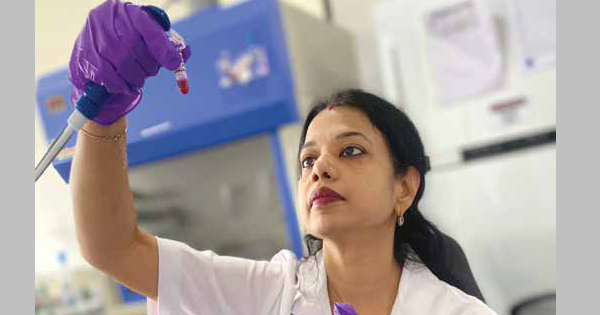
Besting the testing
An affordable blood sample-based diagnosis that tracks four vector-borne diseases promises to be a boon for rural communities
READ MOREFor us, regulatory approval is not the end of the journey; it is the point at which the focus shifts from proving the technology works to ensuring that its benefits reach the communities and health systems needing it most.
For patients, particularly those from low-income and underserved communities, the burden of a vector-borne illness extends beyond the cost of the test itself to travel, lost wages, repeat consultations and investigations, and the consequences of delayed care. A recent study from Gujarat estimated the average total cost of a dengue episode at ₹6,860 and chikungunya at ₹7,000, including medical, non-medical and indirect costs5.
Against this broader burden, ASSURED’s intended price is estimated to be approximately one-tenth of existing diagnostic costs for public health institutions. For health facilities, the ability to detect three infections from a single sample and without specialised equipment could also offer greater flexibility in using existing diagnostic capacity, particularly at the primary-care level.
This becomes even more relevant for communities and health systems facing seasonal surges or outbreaks. With around 64% of India’s population residing in rural areas, where households still account for 39.4% of total health expenditure through out-of-pocket spending6, the ability to bring reliable diagnostics closer to where people live remains an important part of expanding equitable access to care7.
As climate change influences the distribution and seasonality of vector-borne diseases, the ability to rapidly deploy diagnostic capacity closer to where cases emerge will become increasingly important. In these settings, ASSURED could help distinguish between infections with overlapping clinical presentations, support more timely treatment decisions and provide useful information for public health response.
The value of ASSURED, therefore, extends beyond the price of the kit: it lies in bringing timely diagnostics closer to communities and places that need it most. By making diagnosis faster, more accessible and easier to deploy, ASSURED has the potential to strengthen frontline care while helping health systems respond more effectively to a changing vector-borne disease landscape.
References:
1. Ministry of Health and Family Welfare, Government of India
2. World Health Organization (2025): Dengue: Global situation, surveillance and progress
3. National Centre for Vector-Borne Diseases Control, Ministry of Health and Family Welfare, Government of India
4. World Health Organization: Malaria 2024, India country profile
5. Kaur, J; Yadav, CP; Chauhan, NM; and Baharia, RK (2022): Journal of Family Medicine and Primary Care
6. Ministry of Health and Family Welfare, Government of India (2024): National Health Accounts Estimates for India
7. World Bank Open Data: Rural population (% of total population) — India
Related articles

Philanthropic organisations can play a critical and catalysing role in fostering healthcare innovations that are targeted at those most in need
Healthcare is at the heart of Jan Swasthya Sahyog’s exceptional efforts to help underserved tribal communities, and others as well, in Chhattisgarh and Madhya Pradesh.

The Sri Venkateswara Institute of Cancer Care & Advanced Research is primed to plug gaps in quality of care, accessibility and affordability for patients in Tirupati and beyond.
