Some dignity and
empathy, please
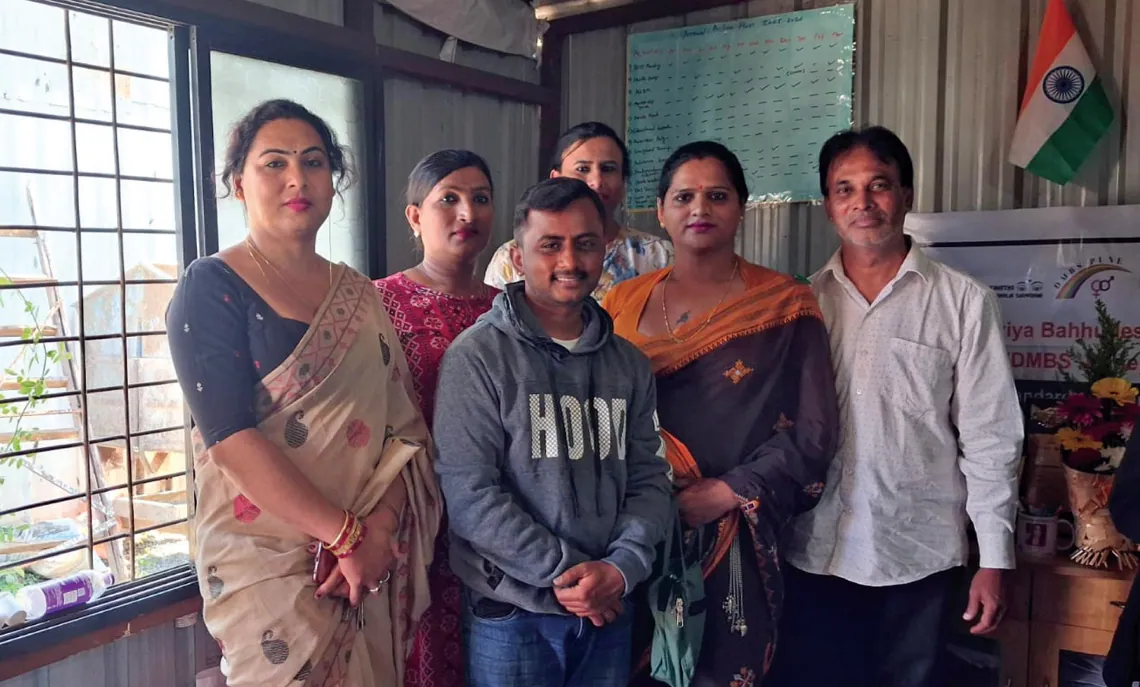
The healthcare and societal needs of transgender people — among the most marginalised of India’s citizens — are the concern of Sabrang’s clinics
Of all the sexual minorities in India, the transgender community is one of the most persecuted. Despite a landmark Supreme Court judgement in 2014 — which asserted that the community must be legally recognised as the third gender and accorded all the rights and privileges given to any citizen of the country — transgender people remain deeply marginalised.
Shunned by society and often abandoned by their biological families, harassed and discriminated against when it comes to employment, healthcare, housing and a general acceptance of their identity, transgender people continue to struggle to find their place in the Indian scheme of affairs.
“My brothers and sisters are forced to either beg on the streets or engage in sex work,” says Babli, an activist and ‘champion’ from the transgender community in Mumbai. “All of us only want one thing — a safe space where we can be ourselves, where we can live and work with dignity.”
That is what Sabrang has been delivering for India’s transgender community. With clinics across the country offering services exclusively to transgender people, Sabrang is run by the nonprofit YR Gaitonde Centre for AIDS Research and Education (YRGCARE). Three of these clinics, in Hyderabad, Pune and the Mumbai suburb of Thane, have been supported by the Tata Trusts since April 2025.
Previously known as Mitr clinics, which operated with overseas funding, these centres were renamed Sabrang. In Hindi that means ‘all colours’, underscoring the fact that the clinics welcome all people from the transgender community.
Down with discrimination
“With the support of the Tata Trusts, we are working on eliminating discrimination against the transgender community,” says CK Vasudevan, YRGCARE’s state manager for Maharashtra and the Thane clinic in charge. “If they are no longer stigmatised, this community that currently lives in the shadows will come out more willingly to avail healthcare and other benefits. But if they don’t come forward, we will never know what kind of health problems they face; in many cases, these can be fatal.”
YRGCARE has found, both during research and in the implementation of projects, that the health challenges among transgender individuals relate largely to gender-affirmation surgeries — expensive sex-reassignment procedures that require a lot of pre- and post-treatment care — substance abuse and mental ill-health. These make them vulnerable to various kinds of risks that may lead to contracting sexually transmitted diseases (STDs).
For instance, multiple research studies show disproportionately high HIV prevalence among transgender individuals in India. Furthermore, data from the National AIDS Control Organisation indicates that many transgender people discontinue treatment because of ostracism.
“Besides a high incidence of STDs, the transgender community also carries a heavy burden of mental illnesses and noncommunicable diseases,” says Zeenat Afshan, a programme associate with the Tata Trusts. “The community may not find the usual healthcare providers very helpful owing to stigma and their lack of social capital. Also, mainstream health systems are not sensitised about the gender-associated health issues of transgender individuals.”
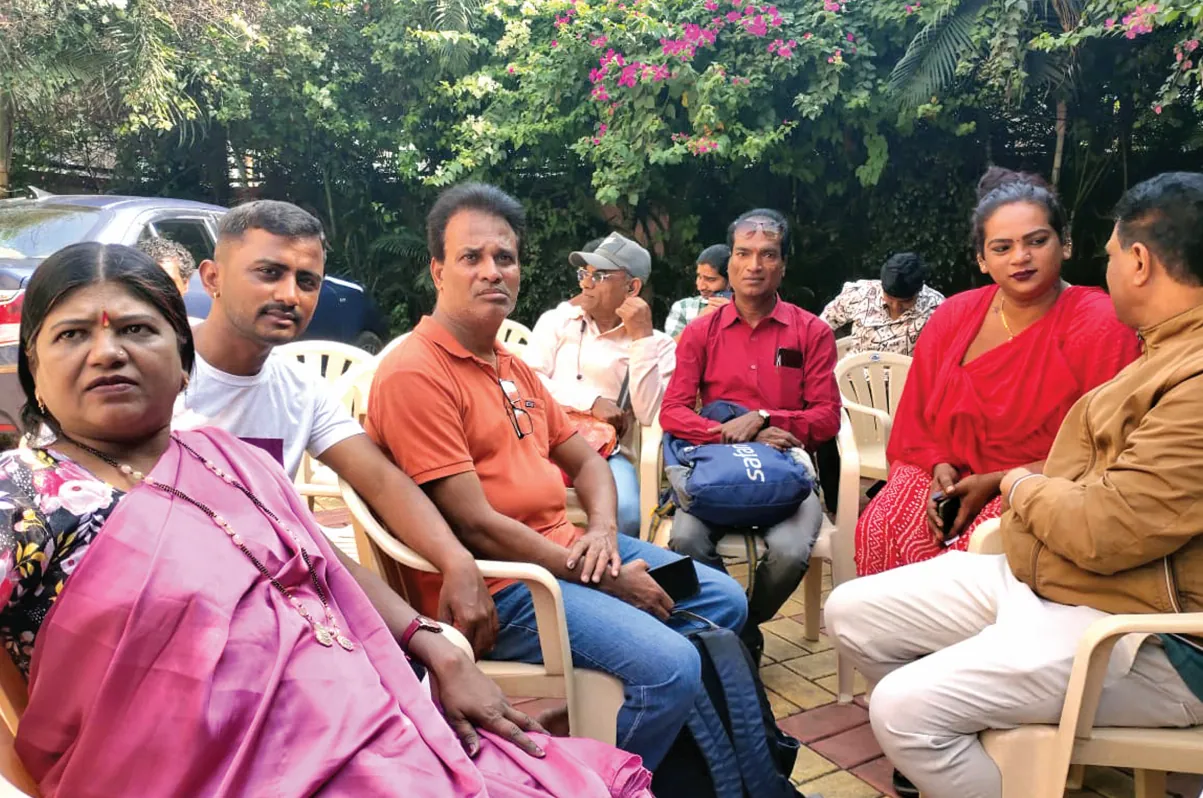
Sabrang’s clinics and centres offer high-quality, transgender-specific health and social services. Additionally, they foster community resilience through outreach programmes and work to influence policy. The clinics function as safe, nonjudgmental spaces where transgender people feel a deep sense of belonging, where individuals can simply be themselves.
Out in the cold
- Official estimates put the number of transgender people at 488,000, but independent researchers say the figure could be between 2 and 5 million.
- Over 50% of the country’s transgender community resides in four states: Uttar Pradesh (28%), Andhra Pradesh (9%), Maharashtra (8%) and Bihar (8%).
- An estimated 27% of transgender individuals report being denied healthcare due to their gender identity; 50% attempt suicide before the age of 20.
- Economic exclusion is a reality that an estimated 92% of transgender people face, which may explain why a large — and unknown — number of them resort to sex work.
- The literacy rate of the transgender population is estimated to be 56% (the all-India average is about 75%); about 50% of this population has never attended school.
- An estimated 34% of transgender people are classified as workers; 41% of those employed are in informal labour.
- The central government’s National Portal for Transgender Persons has enabled the identification of transgender people; by December 2023, 31,248 identity cards and 31,270 certificates had been issued to them.
- Ayushman Bharat TG Plus, a central government scheme, provides transgender individuals with a ₹500,000 annual coverage for gender-affirming care, hormone therapy and sex-reassignment surgery.
Sources: Census 2011; Ministry of Social Justice and Empowerment; International Journal of Recent Publication and Research; National Human Rights Commission; Drishti IAS; National Portal for Transgender Persons.
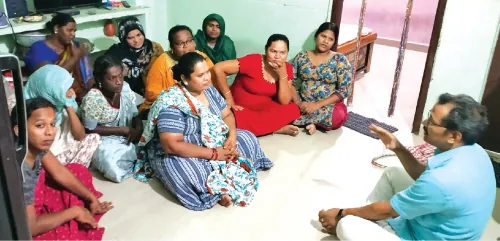
Sabrang provides free counselling sessions and affordable laser hair removal. Beyond healthcare, Sabrang educates transgender people about existing benefits such as the government’s Ayushman Bharat Transgender Plus scheme, which delivers health insurance coverage of up to ₹500,000 for gender-affirming surgeries and related expenses. But many members of the community have no idea about this.
To access the scheme, one must hold a transgender card. Sabrang facilitates the acquisition of this, as well as gender-identity certificates (GICs) for those seeking sex-reassignment surgery. GICs allow people, no matter what stage of transition they are in, to access gender-neutral facilities like toilets and to be upfront about their birth gender with future employers and with law enforcement and other officials. Sabrang also provides social-protection services and legal aid in cases of harassment.
The Sabrang clinics connect community members with suitable vocational training that leads to livelihood opportunities. “Expectations of housing, income and a respectable livelihood are all basic expectations of any person,” says AK Srikrishnan, chief operating officer at YRGCARE, “but for most transgender people economic inclusivity continues to be a challenge.”
Understanding and accepting the transgender way of life is not what most employers do, he adds. “Many transgender people have faced immense problems in their lives, and there are considerable gaps in their educational levels.” This further excludes them from jobs where a minimum requirement might be finishing school or college.
YRGCARE liaises with organisations that offer life skills and technical training to the community, and then connects them with the CSR departments of companies for jobs. While many transgender people gravitate towards beauty or personal-grooming services, YRGCARE explores other opportunities for them too.
The organisation has recently linked up with delivery portals to onboard trained transgender staff in their facilitation centres. In Chennai, members of the community were trained to become drivers and delivery staff. Besides, YRGCARE tries to find homebound jobs to ease the transgender person into the employment world, while helping those who want to branch out on their own.
In search of comfort
Like 26-year-old Shruti, who lives in the Mumbai suburb of Kalyan, and has started her own tailoring unit. Five years ago, Shruti — who was born male — left home when her family refused to accept that she was a woman trapped in a man’s body. Unable to be herself either at home or at the bank where she worked, Shruti moved from job to job in various cities, trying desperately to find a place she could find comfort.
“It was torture showing up to work dressed and behaving like a man,” says Shruti. “People knew of my situation and I often faced harassment, but I had no source of income or any support once I had left my parents’ home. I needed a job and I kept trying different ones out.”
Shruti had trouble finding accommodation too. Landlords wouldn’t rent to her and she was turned away by women’s and men’s hostels. “I even lived in a room attached to a tea stall; it did not even have a door,” she says. “That was the last straw. I realised I would be better off working for myself than for someone else.”
A few months ago, YRGCARE found and enrolled Shruti in a tailoring course. She uses that training to make bags while continuing to look for full-time employment, hopefully in a company that will be more accepting of her. Financial stability has enabled Shruti to take the first steps towards gender-reassignment surgery, to “fully become a woman”, she says.
“We work around the community’s complete needs,” says Mr Vasudevan. “Many transgender people today lead healthier, empowered lives with access to healthcare, social protection and livelihoods.” They have begun to see the Sabrang clinics — operated by transgender nurses and support staff — as places where they can be themselves, without judgment or censure.
That’s not enough, though. “There’s a lot of work that needs to be done at the ground level to ensure that people understand why a transgender way of life is no different from a heterosexual way of life,” says Mr Srikrishnan. “A transgender person is eager to be accepted, eager to have a marital and family life. They long for compassion, cooperation, education and financial security, just like the rest of us.”
Alongside services provided to the community, the Sabrang centres have embarked on sensitisation drives. The clinics at Pune and Thane are located inside medical college hospitals, so the YRGCARE team has started by arranging programmes for medical professionals.
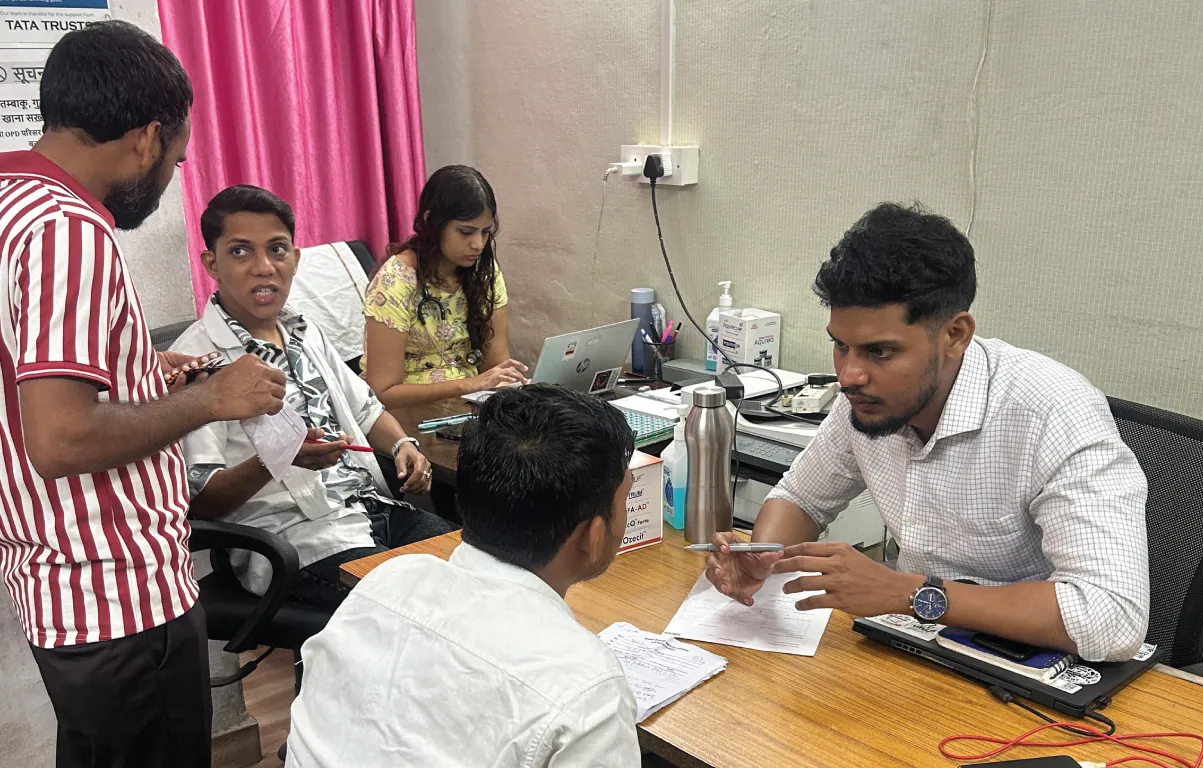
“At the Rajiv Gandhi Medical College and Chhatrapati Shivaji Maharaj Hospital, where the Thane clinic is situated, we have conducted training and sensitisation drives for staff and students,” adds Mr Vasudevan. “We have similar programmes involving law-enforcement authorities as well.” In Hyderabad, YRGCARE’s efforts have led to 18 district hospitals in Telangana now instituting wards specifically for transgender people and offering them hormone therapy free of cost.
“Each of the Sabrang clinics is fortified in its own way for people to know that here is a place where any sexual minority can walk in, where they are likely to be helped and supported,” adds Mr Vasudevan. “Now with the TG card, they can rightfully say that the government recognises, accepts and endorses them as transgender people. This is already a sort of societal recognition.”