Venture with a view
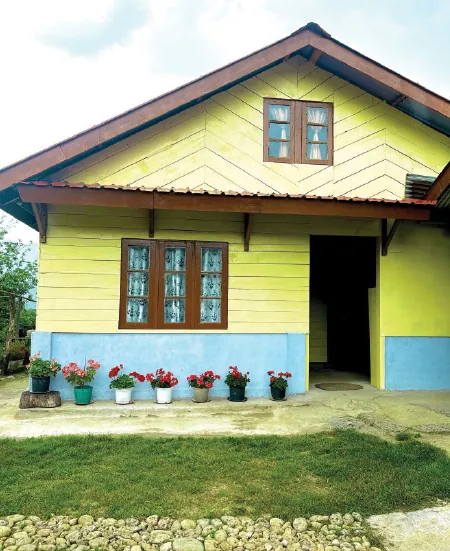
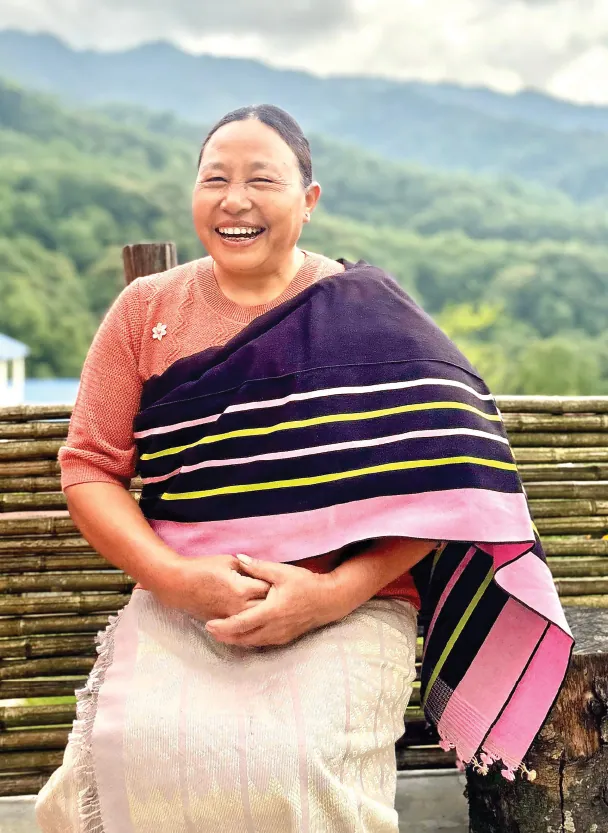
Sotuno Meyase, a 50-year-old mother of three, runs the Sotuno Homestay in Dzuleke village in Nagaland’s Kohima district. She and her husband, Letso, have been running the business since 2014, and it has never been on firmer footing. From getting the enterprise off the ground to making it a success, the Meyases have been backed all the way by the North East Initiative Development Agency (NEIDA).
NEIDA introduced its community-based ecotourism initiative in Dzuleke after identifying the village as a potential tourist hotspot. This was in 2014 and the Meyases, at that point, were primarily engaged in subsistence farming. In search of an alternative and sustainable source of income, they were prime candidates to cash in on NEIDA’s ecotourism idea.
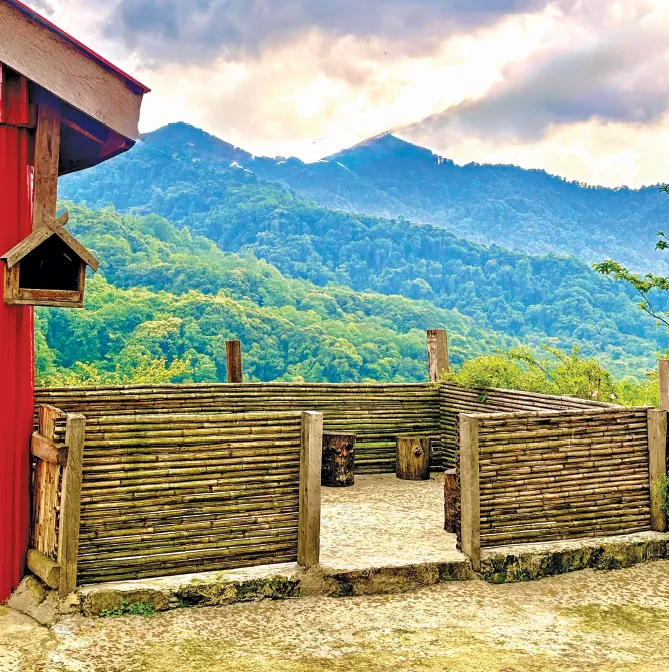
The homestay with which the Meyases got into business boasts two bedrooms, a spacious outdoor area and a welcoming environment for visitors seeking a peaceful retreat. Putting all these elements together has been a winning proposition for the family.
“I did not have any knowledge of how to run a homestay and was also hesitant,” says Ms Meyase. “Then I began attending NEIDA’s training sessions and that, not to mention the encouragement and support I received, was instrumental in me developing my homestay — and in building my confidence.”
She recalls attending training sessions in Kohima along with other homestay owners. They learned the ropes of the hospitality business, including housekeeping, hygiene and preparing vegetarian and non-vegetarian food.
More than a decade later, the skills and knowledge she gained continue to sustain Ms Meyase’s homestay. The income generated from it has helped her manage household expenses and support her children’s education. Today, all three of her children are working in Kohima, an outcome she attributes in part to the stability provided by income generated from the homestay.
It has not been an easy ride for Ms Meyase. “Communicating with tourists is difficult for me,” she says. “Fortunately, my husband can speak some English and Hindi, which helps. On days when we struggle to express ourselves, we communicate through gestures.”
The broader transformation in her village is a point that Ms Meyase emphasises. “Earlier, people here depended only on agriculture. But after the ecotourism initiative, many have diversified into running homestays and working as tour guides, in catering and with tourist information centres. These opportunities have enabled people to earn and contribute to the development of the village.”