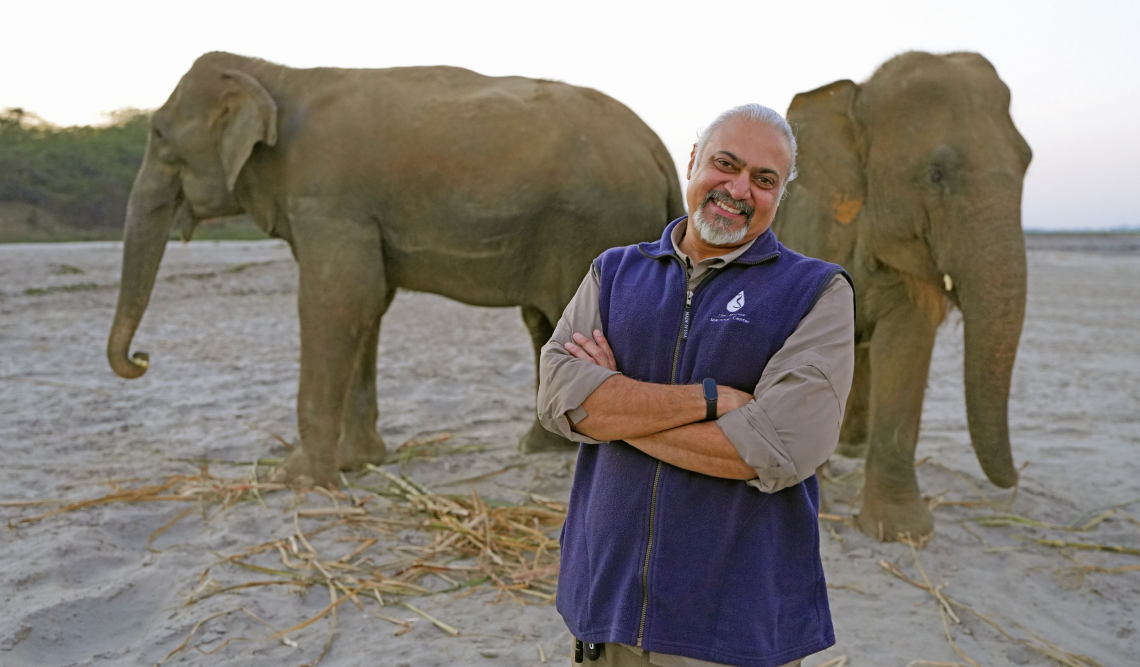
Kartick Satyanarayan, cofounder and chief executive officer of Wildlife SOS, on the importance of reconnecting with forests and nature to better appreciate the creatures we share this planet with

Opinion
Down in flames
Human beings are not the only victims of India’s searing heatwaves; animals suffer even more, and they have no voice to express their distress
Every summer India braces for familiar headlines. Schools shut their doors, hospitals prepare for a surge in heatstroke cases, and weather forecasts warn of temperatures crossing 45°C. Heatwaves have become an accepted feature of our summers, discussed almost exclusively as a human crisis. Yet beneath the glare of this climate emergency lies another tragedy: one that unfolds quietly and unnoticed across our concrete jungles.
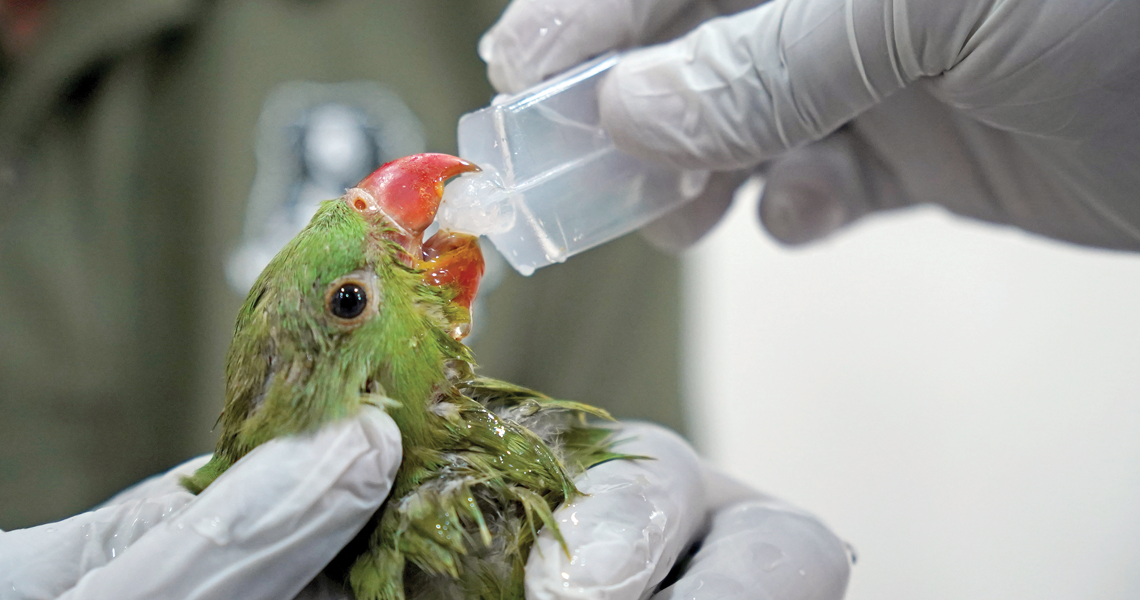
A dehydrated ring-necked parakeet plummets out of the sky, landing in a heap on the pavement. Black kites and crested serpent eagles crash mid-flight from heat exhaustion, unable to take off again. A baby rhesus macaque seeks a shaded spot beneath a parked vehicle, seeking relief from the blistering asphalt. A squirrel tumbles from a tree, too dehydrated to hold on.
Every rescue effort by Wildlife SOS’s rapid response unit tells the same story. These animals are not victims of chance; they are casualties of an increasingly hostile urban environment. Recent rescue data paints a daunting picture.
In April 2026 alone, our rapid response unit recorded a nearly 40% increase in wildlife rescues across the Delhi national capital region compared with the same month last year. Bird rescues rose by almost 49%, while mammal and reptile rescues also witnessed a significant increase, making it the highest April rescue surge the organisation has ever documented.
May and June were once considered the peak rescue months of summer, but now such rescues are beginning to take place much earlier, reflecting how prolonged and intense heatwaves are reshaping the challenges faced by animals.
For decades, urban development has been designed around human convenience. The result is the creation of urban heat-trapping islands, landscapes where concrete, asphalt and glass absorb and radiate heat for long, even after sunset, pushing temperatures several degrees higher than surrounding green spaces.

Geeta Seshamani is a wildlife conservationist and the co-founder and secretary of Wildlife SOS
For wildlife, our cities have become furnaces. Birds searching for water venture into office buildings, railway stations, parking lots and residential complexes, where reflective glass causes fatal collisions and enclosed spaces leave them trapped. Raptors weakened by dehydration struggle to remain airborne. Owls, squirrels, civets and monkeys seek refuge in increasingly crowded human spaces, while snakes and monitor lizards enter residential neighbourhoods in search of shade and water.
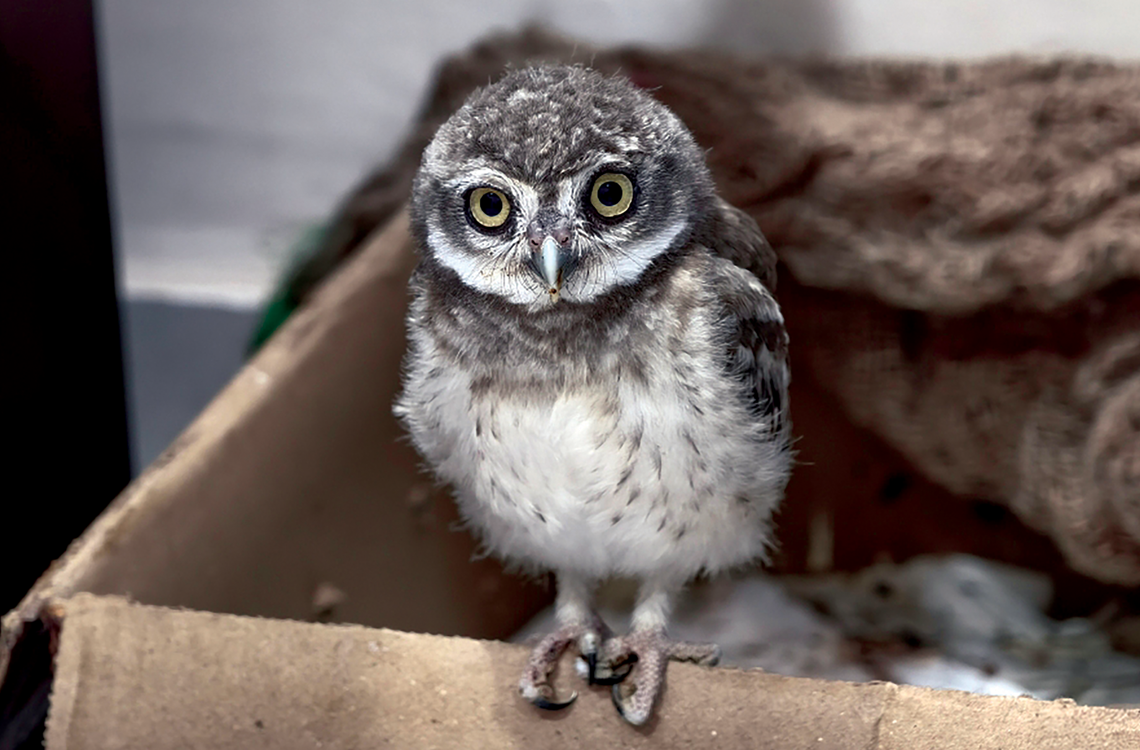

Click to enlarge
This spotted owlet, who fell from a tree due to dehydration in Agra this June, was rescued and later released in a suitable habitat
Wildlife is not invading our cities. Rather, our expanding cities have steadily consumed the habitats wildlife once depended upon, leaving them with almost no options.
The lack of concern for what remains of the green cover in our cities is criminal in this context. Every time a tree is felled, an entire world disappears. Birds lose their nests, their young and their roosting places, bats and insects lose their homes, squirrels lose refuge, and countless unseen creatures are displaced overnight.
Heatwaves are now amplifying a crisis that has been decades in the making. Climate change and rapid urbanisation are no longer separate environmental challenges. Together, they have created conditions that push wildlife beyond its physiological limits.
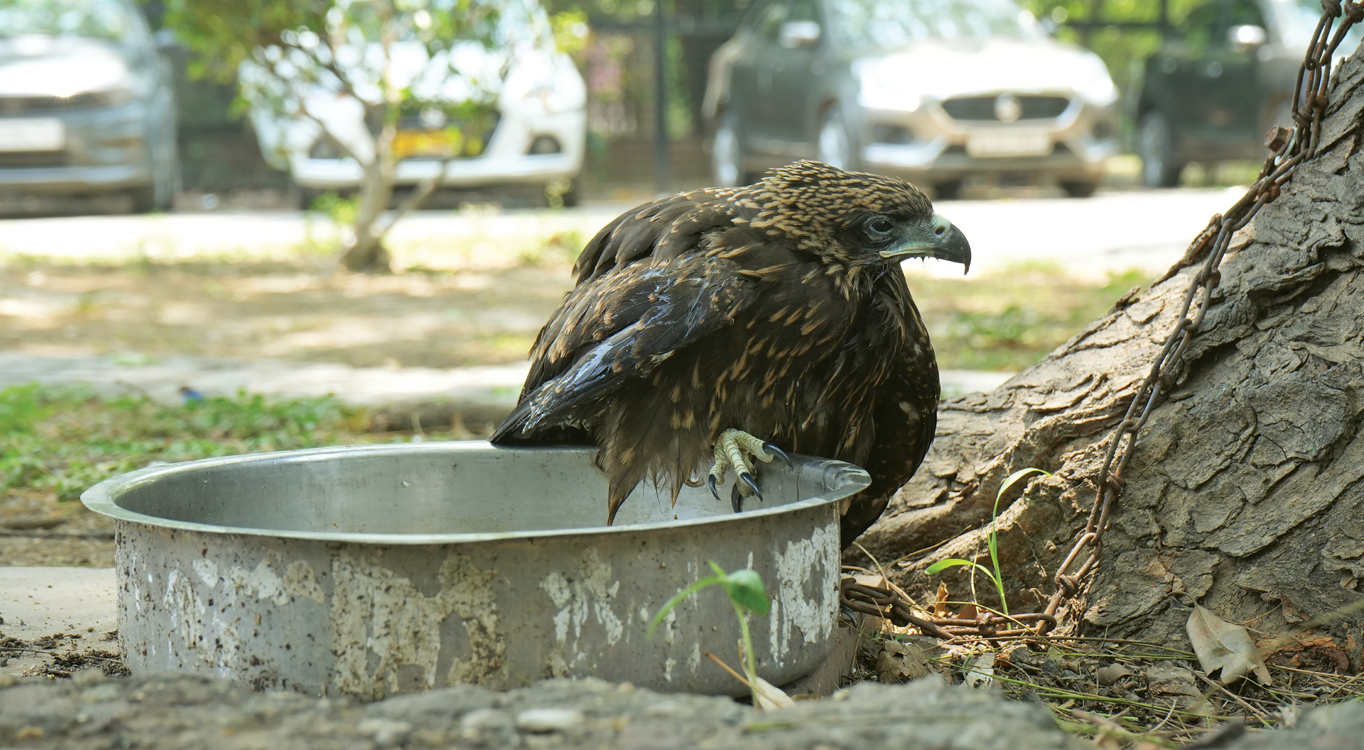
Click to enlarge
This black kite, rescued in Delhi from dehydration, was returned to the wild
Wildlife SOS veterinarians working on the frontlines of wildlife rescue describe a recurring pattern. Birds rescued during periods of extreme heat frequently arrive severely dehydrated, exhausted and suffering from hyperthermia. Without immediate intervention, many cannot survive. Yet rescue teams also acknowledge an uncomfortable reality: for every animal that reaches a rehabilitation centre, countless others collapse silently, unnoticed and unreported before help can arrive.

Climate action in a time of schizophrenia
Climate scientist Arunabha Ghosh on India’s ambivalence about climate change and why the messaging around the crisis must be personalised to grasp its full import
READ MOREPerhaps the most unsettling aspect of these rescues is not their increasing number, but their changing nature. Species once considered resilient to urban environments are now struggling to cope. Tree pies, bulbuls, yellow-footed green pigeons, parakeets and black kites, birds that have lived alongside humans for generations, are approaching their physiological limits. Alongside are more vulnerable species such as owls, peafowl and migratory birds.
Too often, wildlife conservation is viewed as something that belongs inside forests, national parks or protected reserves. But India’s biodiversity does not exist only within these boundaries. It thrives in neighbourhood parks, university campuses, roadside trees, wetlands and urban green spaces inside residential colonies, airports and community centres.
As our cities expand, these fragmented habitats become increasingly important, not only for wildlife, but for people as well. The same trees that provide nesting sites for birds also help cool our streets. Wetlands that sustain migratory species also combat and reduce flooding. Green corridors that allow animals to move safely through urban landscapes improve air quality, reduce surface temperatures and make cities more liveable for everyone, not just humans.
Protecting urban biodiversity is not an act of charity towards wildlife; it is a responsibility that ultimately safeguards our own future. This must be seen as self-preservation for the human race.
The long-term solution lies beyond emergency response. It rests in planting and protecting native trees, preserving wetlands, maintaining connected green spaces, designing bird-safe buildings and ensuring that earthen bowls filled with clean water remain available in shaded spaces throughout the summer.
With India having just celebrated Van Mahotsav, it is worth remembering that every native tree planted today helps create cooler cities and healthier habitats for wildlife tomorrow. At Wildlife SOS, our habitat restoration efforts have crossed a milestone: the planting of more than 500,000 trees. As a result, over the years, we have seen degraded landscapes recover, native biodiversity return and ecosystems gradually regain their resilience.
Citizens have an important role to play by preserving mature trees, planting native species and reporting distressed wildlife promptly. Small actions can mean the difference between life and death during extreme heat. The next time a bird collapses from the sky or a monkey seeks shelter beneath a parked car, we should resist seeing it as merely another distress story. Instead, we should recognise it for what it truly is: a message from a burning planet.
If you find a wild animal in need of assistance, you can reach out to the Wildlife SOS hotline numbers — Delhi NCR: 9871963535; Agra: 9917109666; Vadodara: 98250 11117; Srinagar: 7006692300